

Augmented Reality for e-commerce

Written by
Team KeyWe
Augmented Reality

In this article, we will discover how Augmented Reality for e-commerce can be integrated into an online shop. Specifically:
- We will look at examples of uses and applications of augmented reality for online sales;
- We will present a case study in which we at KeyWe show how we have used AR;
- We will understand how to integrate AR into an already established e-commerce business;
We will also answer the most frequently asked questions on the subject.
Enjoy reading!
What are the uses of Augmented Reality in e-commerce?
Over the last decade, more and more companies have invested increasing amounts of resources in e-commerce, recognising it as an effective, scalable and widespread sales tool (as confirmed by leading industry reports).
In addition to traditional marketing activities, this investment has mainly focused on new digital technologies such as Augmented Reality (AR), Virtual Reality (VR) and Artificial Intelligence (AI).
These new technologies have the ability to enrich the online shopping experience, significantly improve customer perception of the product and, as a result, increase turnover, sometimes significantly.
With these objectives in mind, let’s take a look at how augmented reality can be used effectively in the world of e-commerce and online shopping.
Virtual fitting rooms
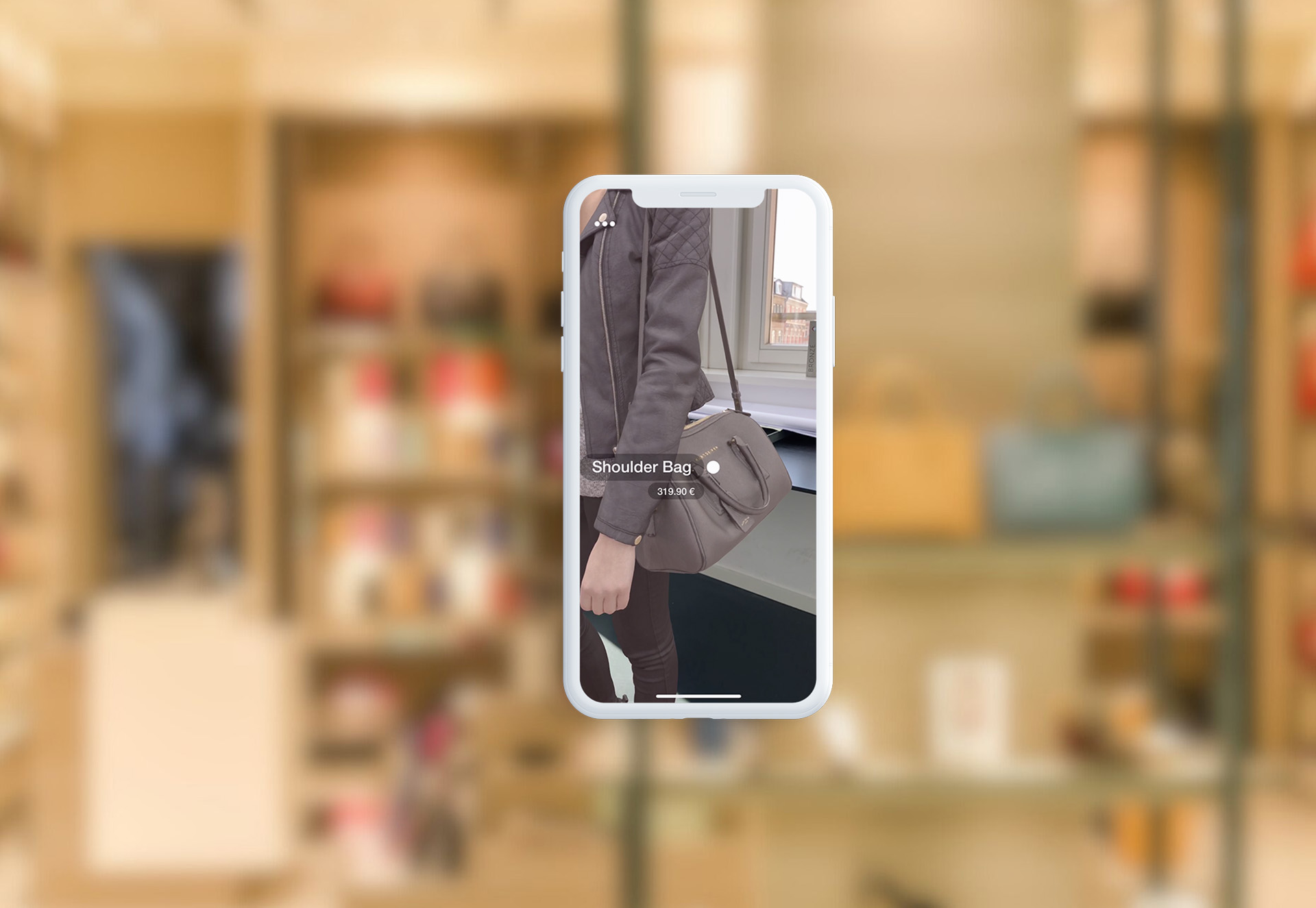
Trying on clothes or accessories directly from home, without having to physically wear them? Thanks to augmented reality, all this is possible: e-commerce users, using the camera on their device, can virtually project clothing items onto themselves, getting an idea of how they will look once worn and choosing the most suitable size. This not only increases engagement during online shopping and customer satisfaction, but also reduces the number of returns, leading to a decrease in costs related to failed conversions.
Preview of the installed product
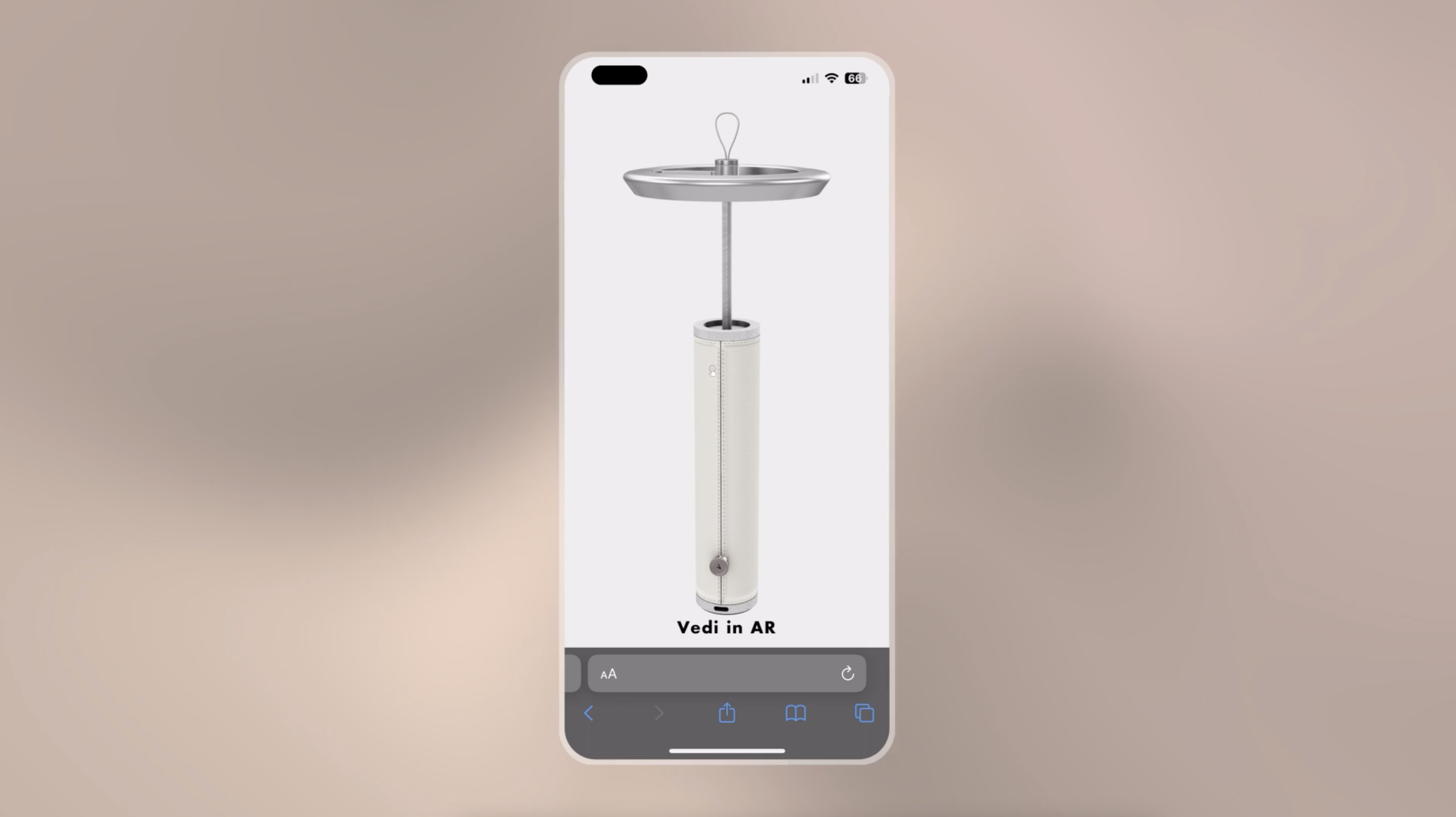
When purchasing furniture or design elements, users often wonder how the product would fit into their home, both in terms of size and aesthetic appeal. With the help of AR, it is possible to recreate the product in three-dimensional space (whether it is a piece of furniture, a furnishing item, an appliance or something else) and visualise in real time how it would look once installed, allowing for a more informed choice and reducing the risk of unsatisfactory purchases.
Product customisation
Personalisation is an increasingly important part of the shopping experience for many users. For this reason, thanks to augmented reality, many e-commerce sites have begun to offer advanced personalisation options, allowing customers to preview how the product would look with their preferences or specific additions.
Digital showroom
Augmented reality allows you to transform an e-commerce site into a real digital showroom, where customers can explore products and offers recreated in 3D, similar to the experience offered in physical shops. This purchasing method can increase engagement (thanks to the wow effect) and make the customer journey smoother, with a significant benefit in terms of sales.
Virtual comparison
AR also makes it easy to recognise and compare different products and brands by displaying them side by side in a virtual environment. This allows users to evaluate the differences quickly, improving the shopping experience and, therefore, the overall conversion rate.
Opening and assembling products
Thanks to VR and AR technologies, companies can provide instructions and information for their products in the form of videos or interactive web apps, simplifying assembly for consumers and reducing the risk of errors during assembly. This, in turn, increases customer satisfaction and reduces the number of after-sales service requests.
An example of Augmented Reality taken from our case studies
ABB 3D Catalogue
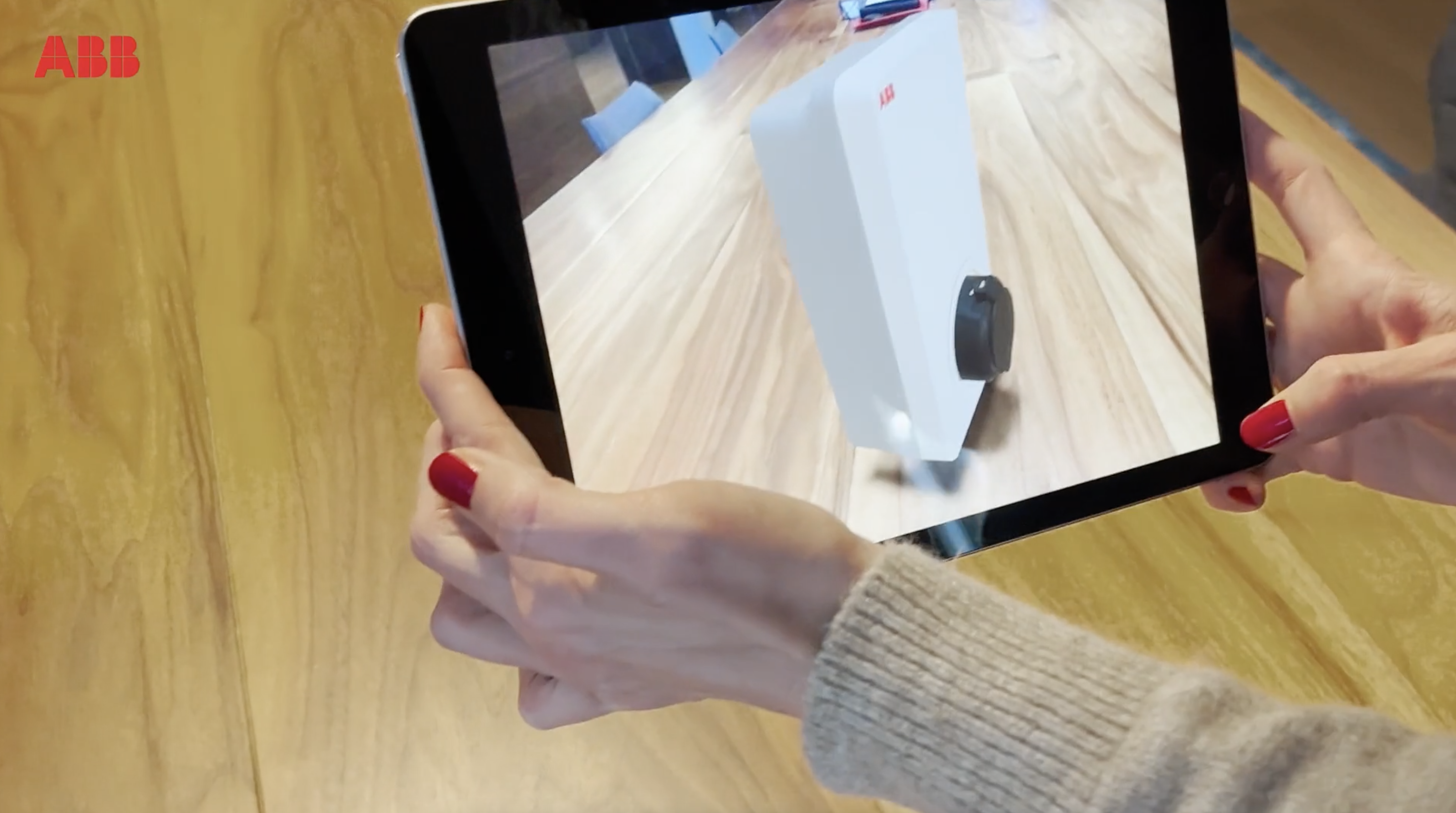
ABB, a global leader in electrification, turned to KeyWe to develop a sales tool for its agents that would allow end customers to explore products digitally.
The solution developed was a 3D catalogue, which gives users the ability to view the various solutions available in virtual mode.
By integrating augmented reality into the catalogue, we enabled users to project products directly into their home or work environments, offering a realistic view and facilitating purchase.
This innovative approach not only improved the user experience, but also opened up new sales opportunities, confirming ABB as a pioneer in the adoption of cutting-edge solutions.
Read the full case study: ABB Dimensione PRO Catalogue
How to integrate AR into eCommerce?
Define the objectives to be achieved
Before opting for a service or specific feature to integrate into your online shop, it is essential to clearly define your business objectives. Whether it is to improve user experience, increase sales, gain a competitive advantage or reduce the number of returns, having a goal to achieve will allow you to define a roadmap for success.
Map company resources
Once the objectives have been defined, it is necessary to assess the internal resources available and set a realistic budget for this project. The lack of internal professionals with AR expertise can be overcome by engaging external partners or suppliers.
Choosing the most suitable technologies
At this point, it is necessary to explore the various augmented reality solutions available on the market (or develop a customised ad hoc technology) and choose the one that best suits the needs of e-commerce and the objectives defined in the previous points.
Developing the project
Once commercial objectives, resources, stakeholders and technologies have been defined, operational activities can finally begin: it is important to ensure that every expert involved (web developer, graphic designer, UX specialist, etc.) is aligned with the final result to be achieved.
Execute the rollout and measure the results
After an adequate testing phase, the Augmented Reality project can finally see the light of day and go live. In the weeks following release, it is important to monitor all e-commerce KPIs to ensure that no issues arise on the user side or search engine side.
Alternative: contact an augmented reality agency
Since developing an augmented reality project is a complex process that requires a range of experts specialising in highly technical fields, the best option is often to turn to a professional Augmented Reality agency such as KeyWe.
Questions and answers about AR and e-commerce
What is augmented reality?
Augmented Reality (AR) is a modern technology that superimposes digital elements (images, sounds, text, 3D objects, etc.) onto real environments. To do this, this technology uses devices such as smartphones, mobile devices, headsets and glasses. Augmented reality is used today in a variety of sectors: marketing, design, tourism, education, entertainment and many others.
What are the differences between virtual reality, augmented reality and mixed reality?
While augmented reality overlays digital elements onto the real world, Virtual Reality (VR) creates a completely digital environment that completely replaces and simulates the physical world and creates a totally simulated experience.
Finally, mixed reality combines aspects of AR and VR, allowing interaction between digital objects and the physical environment.
For more information, see the following article: Virtual Reality, Augmented Reality and Mixed Reality: endless possibilities.
What types of augmented reality exist?
There are several forms of augmented reality, including marker-based AR, which uses visual codes to activate digital content, and markerless AR, which relies on sensors such as cameras or GPS to place virtual objects in the surrounding environment.
Other possibilities include projection-based AR and superimposition-based AR, each with its own applications and particularities.
What are the advantages of augmented reality?
As already mentioned in the article, augmented reality applied to e-commerce offers numerous advantages, including improved user experience and reduced returns. These benefits lead to an increase in conversion rates and therefore in overall e-commerce turnover.
In summary
The integration of Augmented Reality into e-commerce or websites offers great opportunities to improve user experience and customer engagement, and thus increase online sales.
In this article, we have provided you with guidelines to help you integrate these technologies into your business. However, if you need professional advice, you can contact our agency.
Written by
Team KeyWe