

Red pill or blue pill? Virtual Reality as depicted in movies

Written by
Team KeyWe
Virtual Reality
Artificial Intelligence
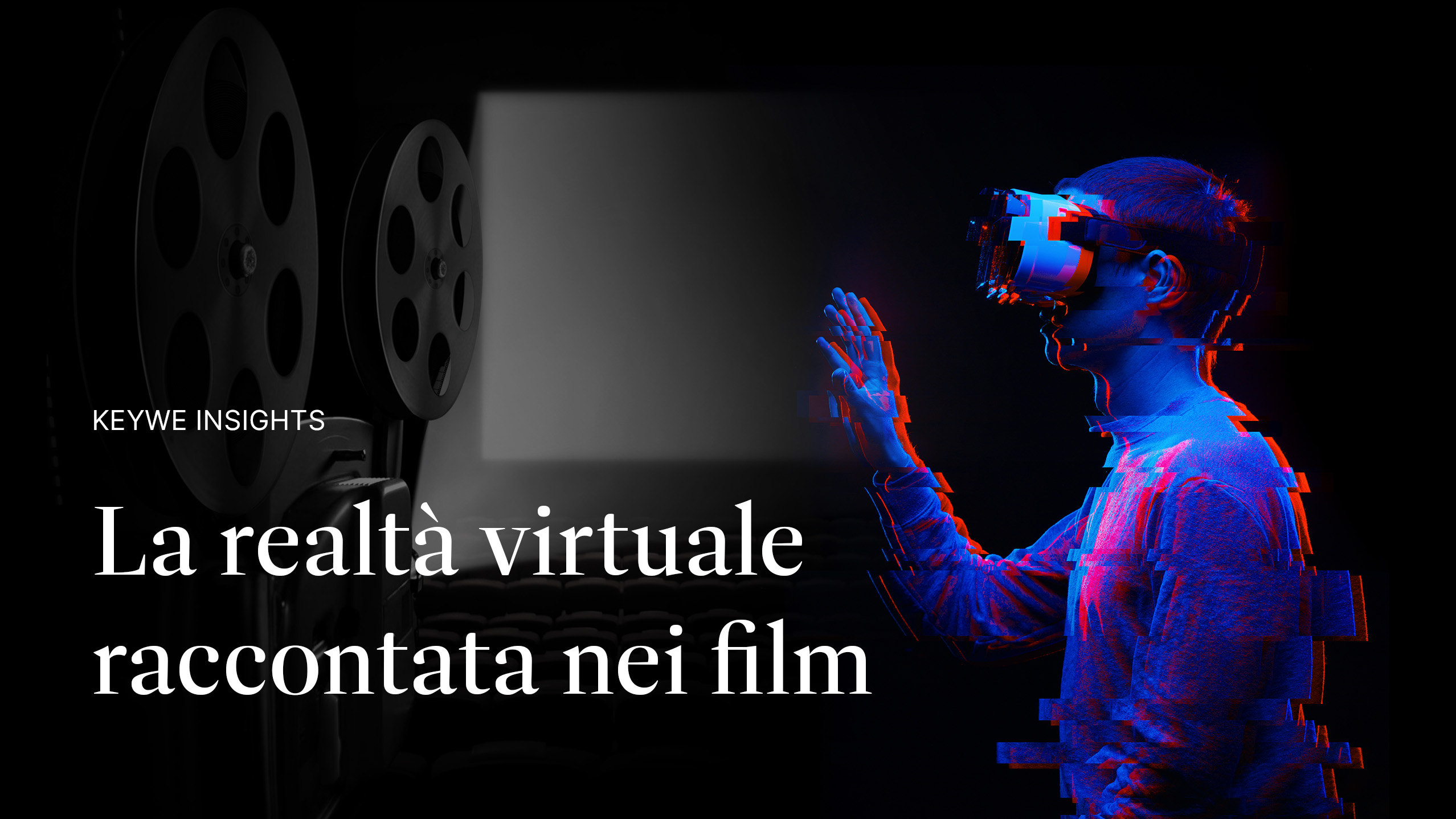
There are many films that have anticipated the concept of Virtual Reality, combining technology, science fiction and dystopia.
The magic of cinema lies entirely in the stories it tells. To create new ones, directors and writers draw on the past, interpret the present and sometimes invent the future. And when imagining other worlds and possible futures, it is impossible not to imagine technological evolution.
Virtual Reality is undoubtedly one of the most evocative, spectacular and – why not – potentially controversial technologies. For these reasons, it fits perfectly into the world of cinema, which has imagined and anticipated it in countless films.
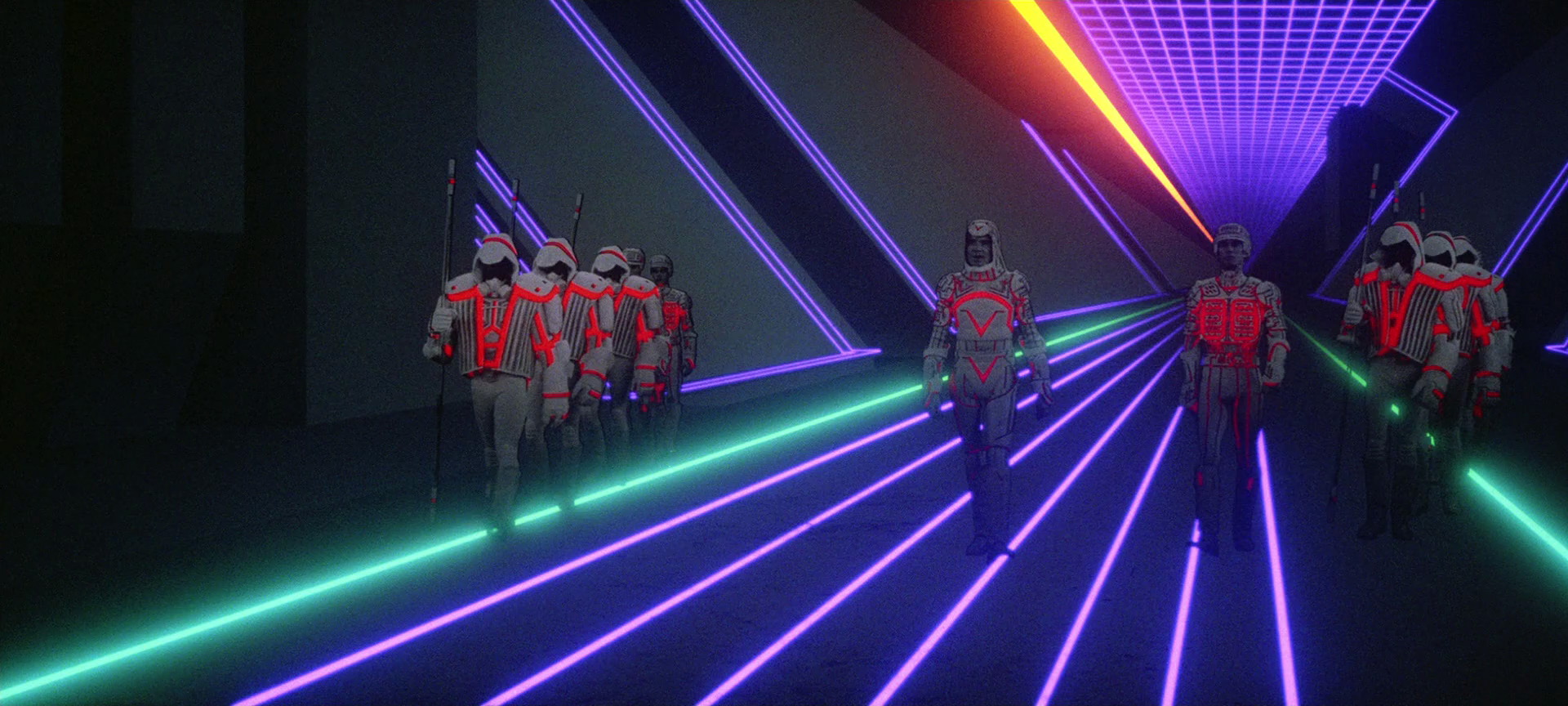
Tron (1982): the first film to talk about Virtual Reality
The protagonist, Kevin Flynn, is a computer programmer trapped in a digital world ruled by a despotic artificial intelligence. It is this intelligence, the Master Control Programme, that kidnaps Flynn. Using a laser beam, it digitises and breaks him down, then transforms him into numerical code and reassembles him in the form of energy within the integrated circuits that make up its universe.
The film does not use the headsets and devices that we now associate with immersive technologies. However, Tron has the merit of having addressed Virtual Reality long before it influenced literary and cinematographic production.
This is why it is considered a true cult classic, loved by an entire generation of geeks.
KeyWe’s top 5
KeyWe has long worked alongside The Space Cinema in the production of content and web campaigns. This collaboration fuels the passion for cinema of the entire agency team, who have compiled a list of the best films about Virtual Reality. Some titles deal explicitly with technology, others are more metaphorical, but all are absolutely worth watching.
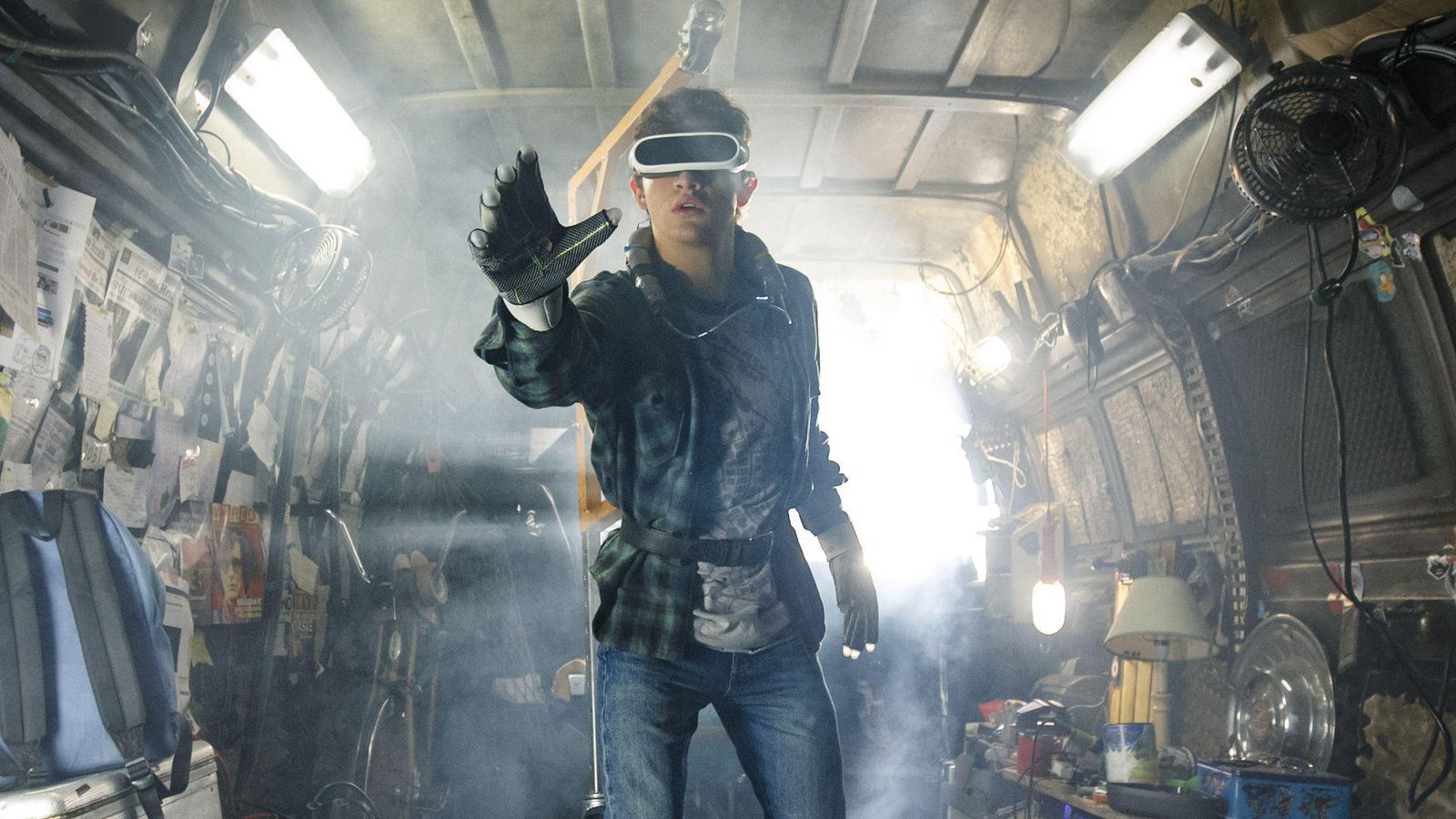
Ready Player One (2018)
In 2045, humanity lives in a decadent and hopeless world. A refuge from all this is represented by Oasis, a digital reality where everyone can be whatever they want.
In the film, this alternative reality is experienced by wearing a headset and a suit that receive and send sensory stimuli. The story takes place in the distant future, but the technologies depicted in the film are those used today: wearable devices capable of providing total immersion. A detailed explanation can be found at this link.
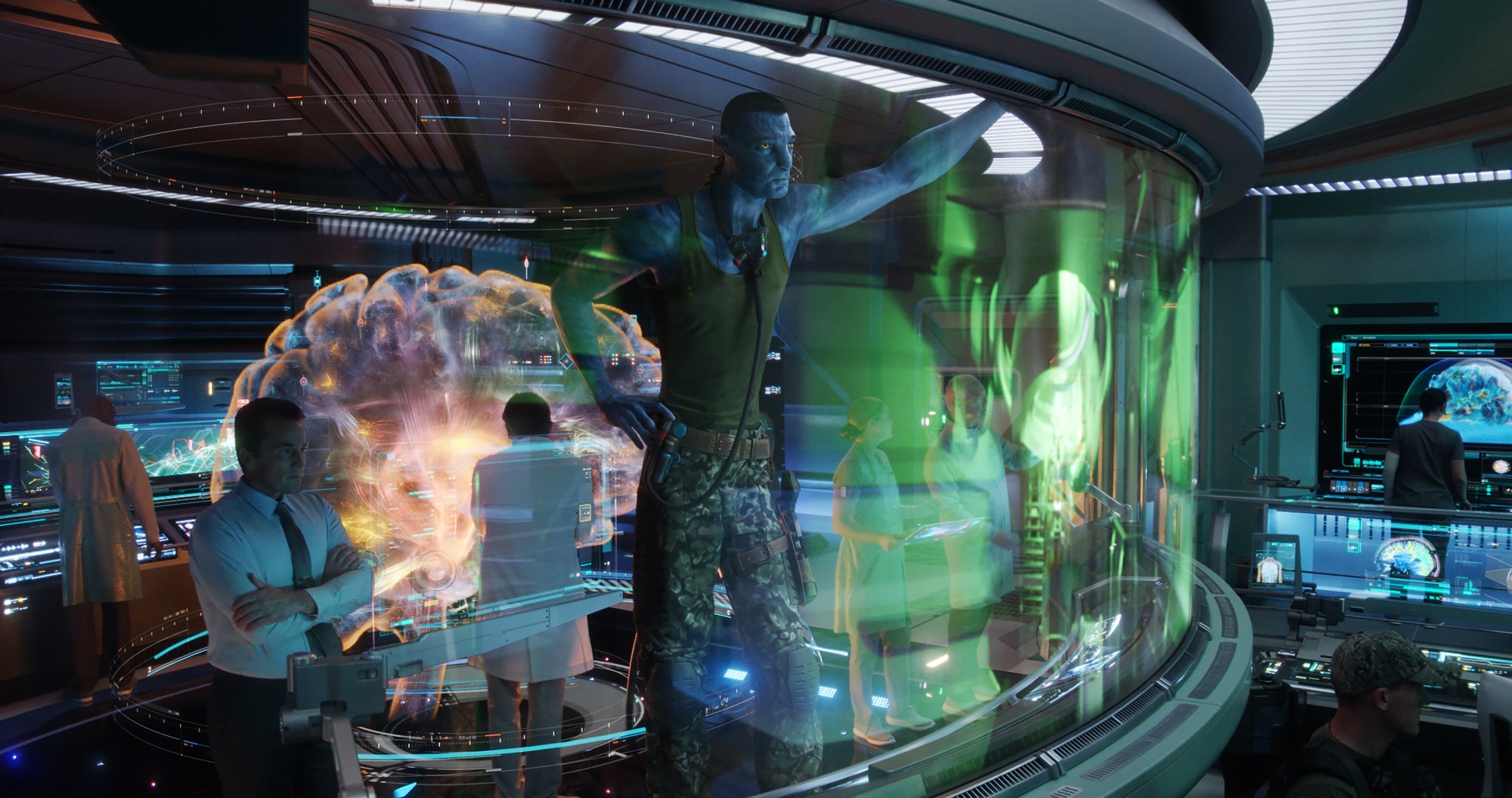
Avatar (2009)
Pandora is a planet to be conquered, but unfortunately its atmosphere is toxic to humans. Avatars are therefore used to explore the environment.
Avatars are created by combining the DNA of humans with that of the Na’vi, Pandora’s native population. These hybrid beings therefore have the features of the Na’vi but a human consciousness. To connect to – and control – their avatars, people are placed inside large capsules. Here they remain motionless and unconscious: their consciousness is transferred to the avatar.
The film takes Virtual Reality to futuristic levels, far from the use of simple headsets and control consoles, imagining the colonisation of alien planets.
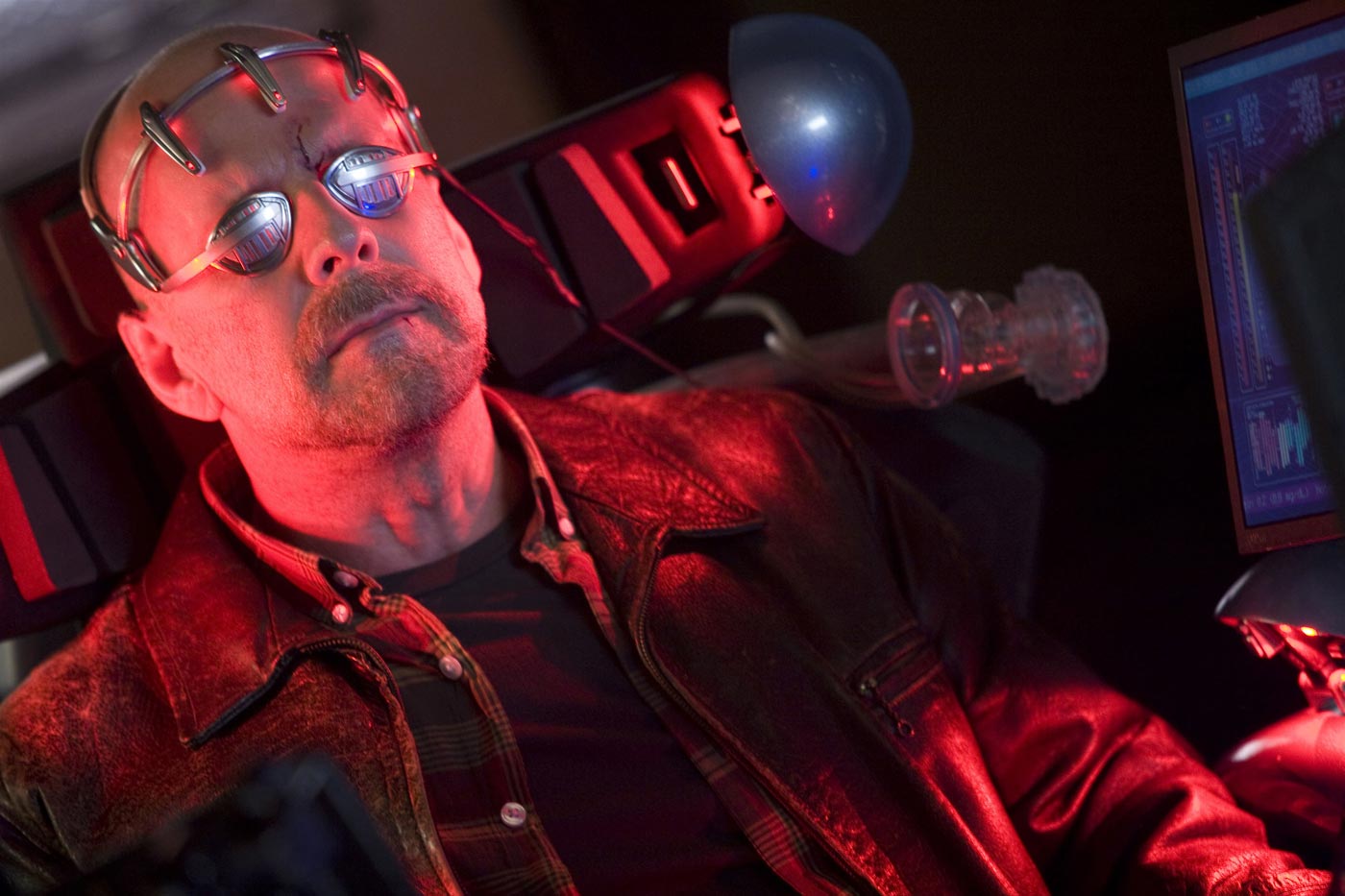
Surrogates (2009)
In an undefined future, people live confined to their homes. They interact with the world using Surrogates, human-like robots with youthful and perfect features. To control their robots, people sit in armchairs that receive and send sensory stimuli.
Surrogates live in place of humans, who are thus protected from danger and disappointment but give up the essence of life itself. The film thus sheds light on the fears generated by technological evolution: isolation from the world in favour of another reality, where perfection seems possible.
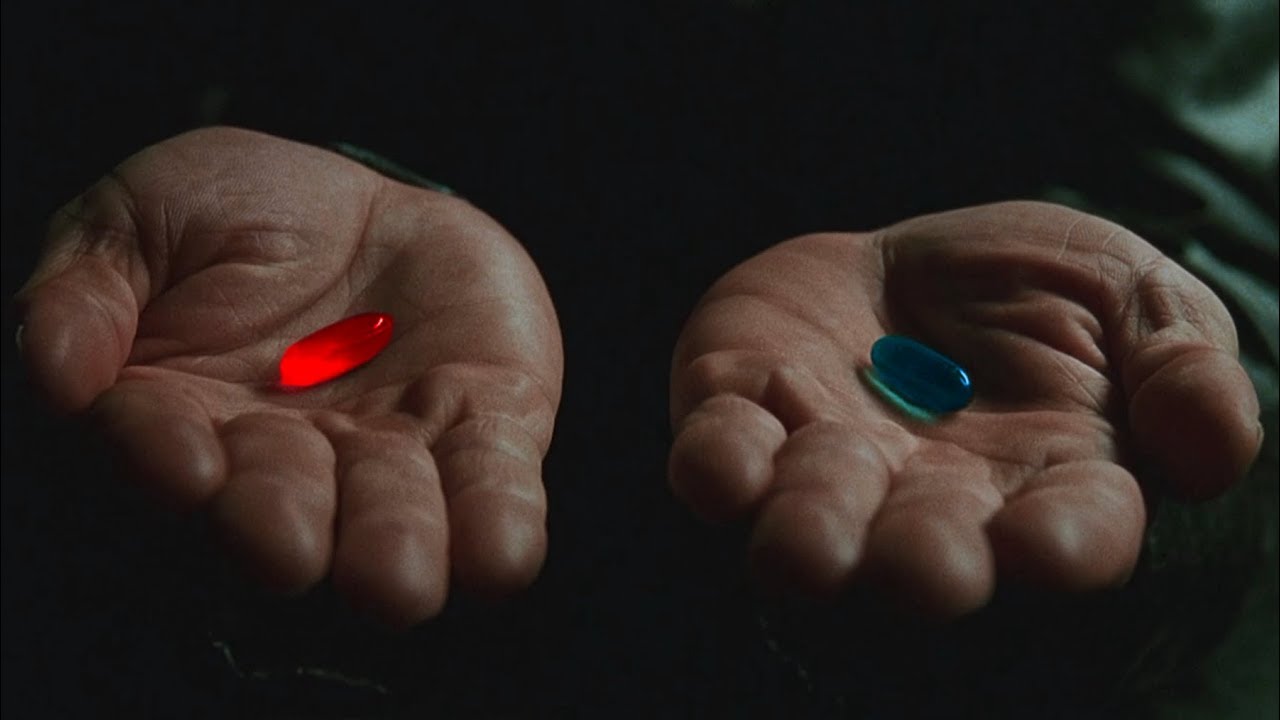
The Matrix (1999)
In a dystopian future, the world is nothing but a fiction. From birth, people live inside the Matrix, an interactive neuro-simulation that faithfully reproduces the real world. People’s physical bodies are immobilised inside incubators and connected to cables that carry electrical impulses. Life inside the Matrix is identical to that in the real world, but some people feel a sense of alienation and oppression.
Released in 1999, The Matrix is the most famous anticipation of the concepts of the Metaverse and Virtual Reality, as well as a metaphor for the universal need for truth.
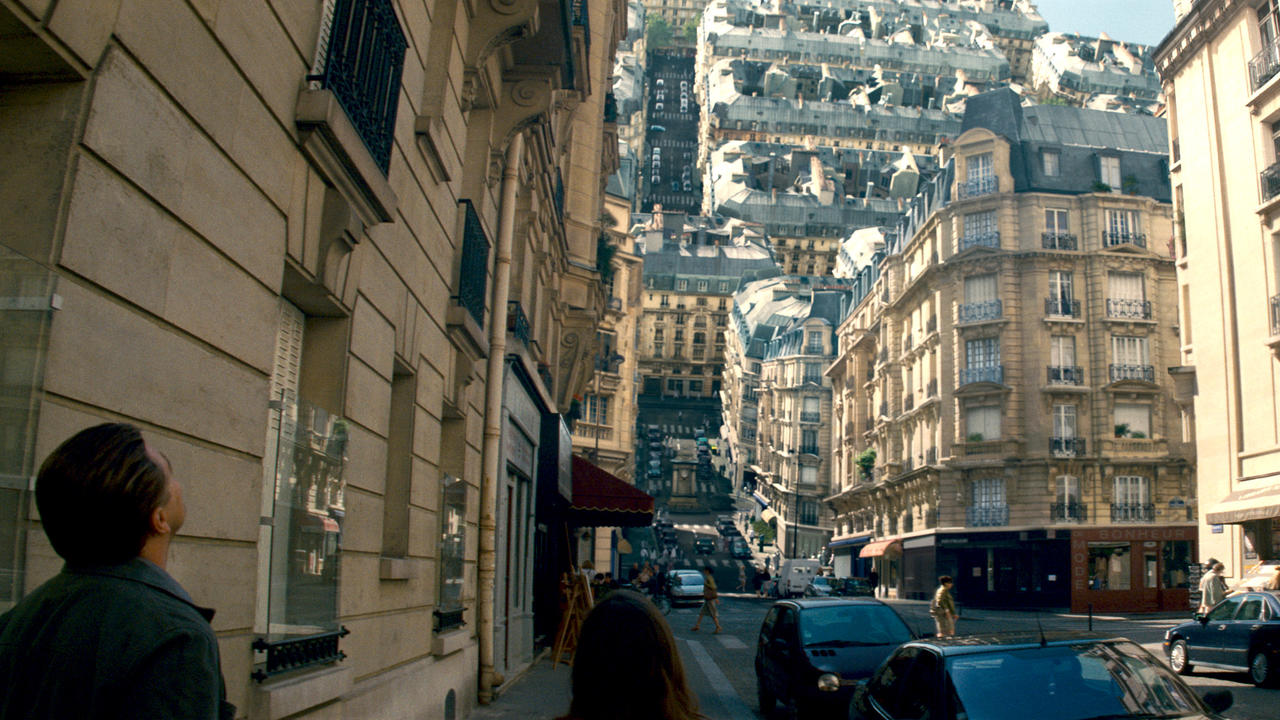
Inception (2010)
In Christopher Nolan’s masterpiece, the dimension of dreams – and therefore the human mind – is a parallel reality opposed to real life. There are no technological devices, nor a linear plot, but the question remains open: what happens when the two worlds merge and defining their boundaries becomes increasingly difficult?
KeyWe and Virtual Reality: the project for MSC
KeyWe is the strategic partner with which to explore the potential of new technologies. The agency has already created phygital experiences in which products and services are presented in an immersive and memorable way.
One of these is the VR Experience created for MSC, a world leader in transport and logistics. The project brings Virtual Reality to trade fairs around the world. At MSC stands, visitors wear a Meta headset to virtually explore the terminal where containers are handled and learn more about the solutions offered. Moving around in virtual space is easy, thanks to intuitive controls. The VR experience is therefore totally user-friendly but also realistic and therefore memorable.
Immersive technologies applied to communication are a solution suitable for different businesses and marketing objectives. KeyWe supports companies in selecting the most suitable technology and develops customised solutions with attention to detail.
Written by
Team KeyWe