


Inclusive design: where true innovation begins

Written by
Giulia
Custom projects
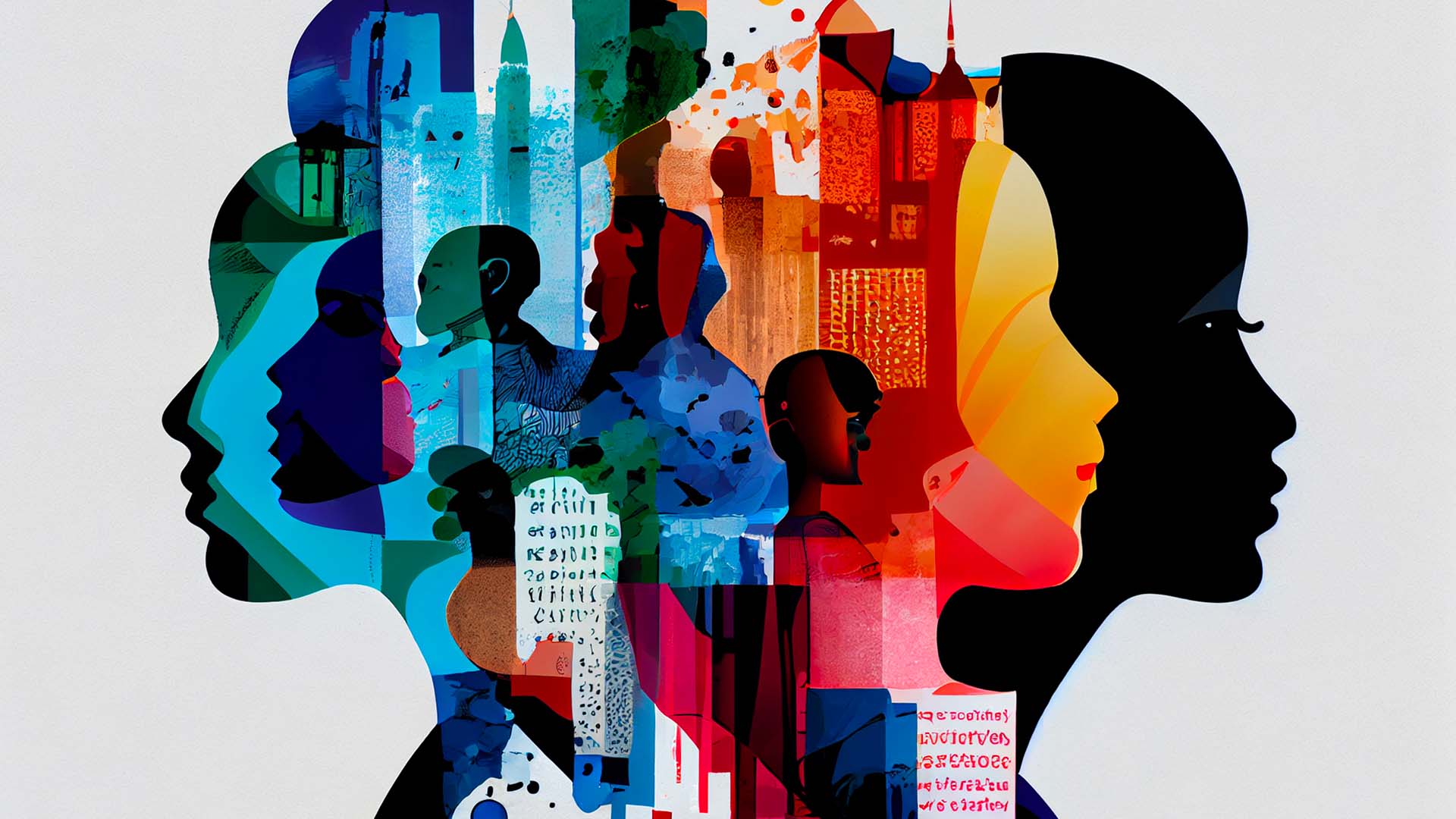
Inclusive design considers the needs of every social identity. This paradigm applies to different abilities, but also to each person's background, experiences and perspectives.
Diversity is the norm, not the exception.
Recognising this truth is the first step towards designing inclusively. We like to think of the term “inclusivity” as “coexistence of differences”: an umbrella term that offers equal dignity to each group. After all, what makes us unique is also what unites us.
Always remember that you are absolutely unique. Just like everyone else.
Margaret Mead – Anthropologist
In this article, we discuss:
- What is inclusive design?
- Why is it important?
- Our approach
What is inclusive design?
Designing for every social identity
Inclusive design means designing for everyone.
It starts from the assumption that every person has a different identity and abilities. The goal is to create experiences and products that are accessible, intuitive and welcoming to the widest variety of people. This means anticipating the needs of every social identity: gender, origin, age, sexual orientation, language, etc. This includes consideration of needs dictated by permanent, temporary or situational disabilities.
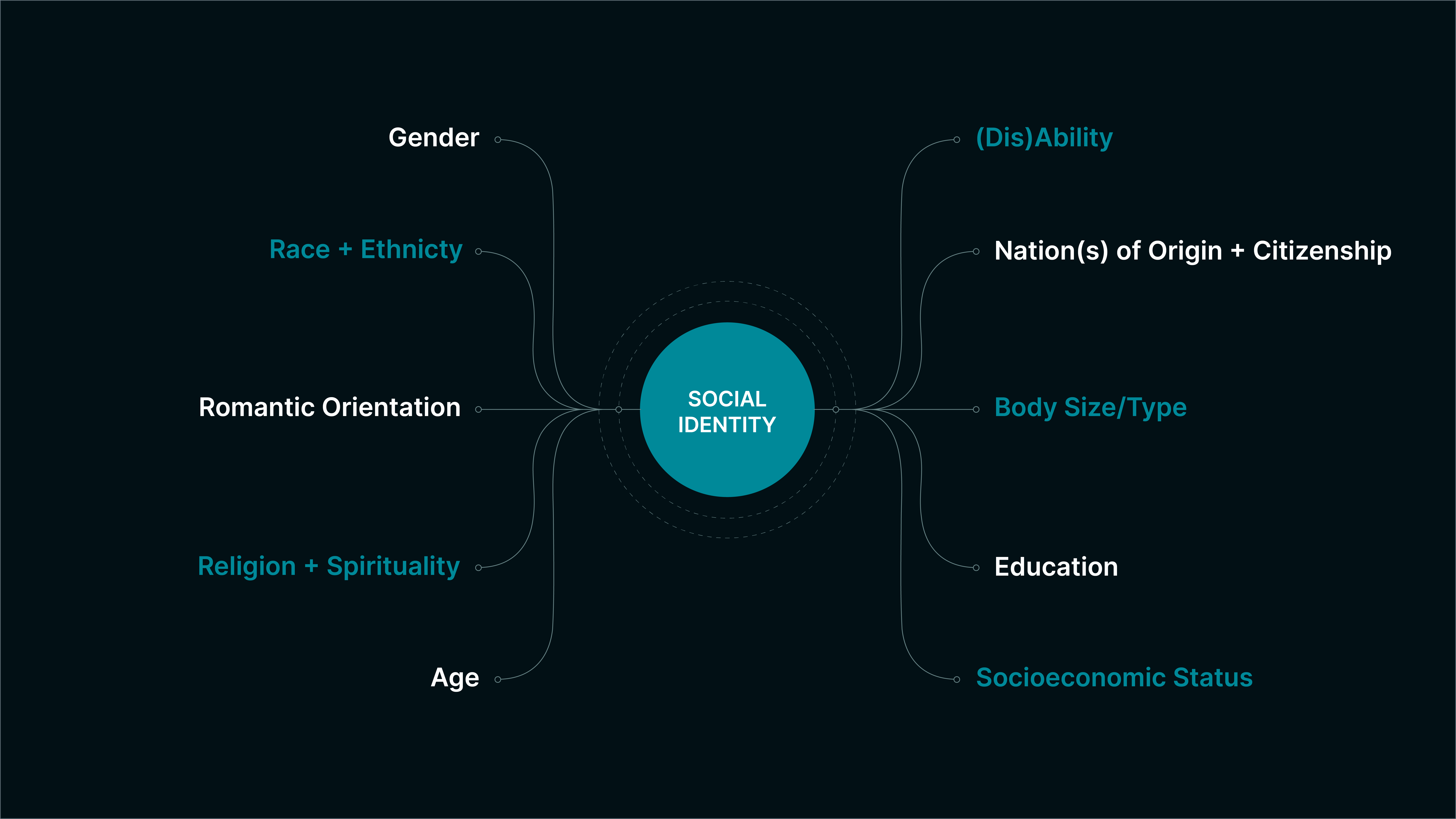
- When design is inclusive: it is accessible and appealing to every social identity. It does not pose barriers to participation. It improves adoption by a wider audience, promoting commercial success.
- When design is not inclusive: it excludes some people from the experience, limiting their participation.
Discover how we create websites and portals
Inclusive design and accessibility are not the same thing
Accessibility focuses on making a product usable by many people, including those with disabilities. It aims to build digital spaces without barriers or limitations of use.
Accessible design is based on the Web Content Accessibility Guidelines (WCAG). These guidelines are useful for designing websites and apps that can be used by people with visual and hearing impairments, as well as cognitive challenges.
Inclusive design takes a holistic approach and places users at the centre of the entire creative process. It aims to create universal solutions, taking into account multiple categories of users. This comprehensive view leads to more innovative and functional solutions.
In short: a digital product or service may be accessible, but not necessarily inclusive.
Best practice: Microsoft Inclusive Design Toolkit
One of the best resources for learning about and applying inclusive design is the Microsoft Inclusive Design Toolkit: an aggregator of tools, best practices and examples. It helps you design with accessibility in mind, reducing friction and promoting smooth interactions.
In our opinion, the ideal tool for designing that embraces the extraordinary variety of human cognitive abilities.
Why inclusive design matters
Inclusive design is not just a trend, but a mindset and a method.
Thinking beyond the average user not only improves the experience, but also allows for the development of truly innovative products. The real revolution is having universal products that can be used regardless of ability or context. This expands the reach of the digital product and makes it suitable for a wider audience.

Our approach
At KeyWe, we believe that inclusivity is the starting point for innovation. We aim to create flexible solutions that not only work for everyone, but also inspire and engage. Our designers are always up to date with the latest developments and follow accessibility guidelines.
Our key principles
- Recognising exclusions: every user has different needs, and we take them into account;
- Flexibility of use: we provide solutions that adapt to different preferences and abilities;
- Simplicity: we design intuitive experiences, even for first-time users;
- Anticipation: we take a proactive approach and anticipate difficulties and barriers to navigation.
Written by
Giulia